Bespoke jewellery: from idea to creation
A complete conversation about design, materials, approvals and the finished piece.
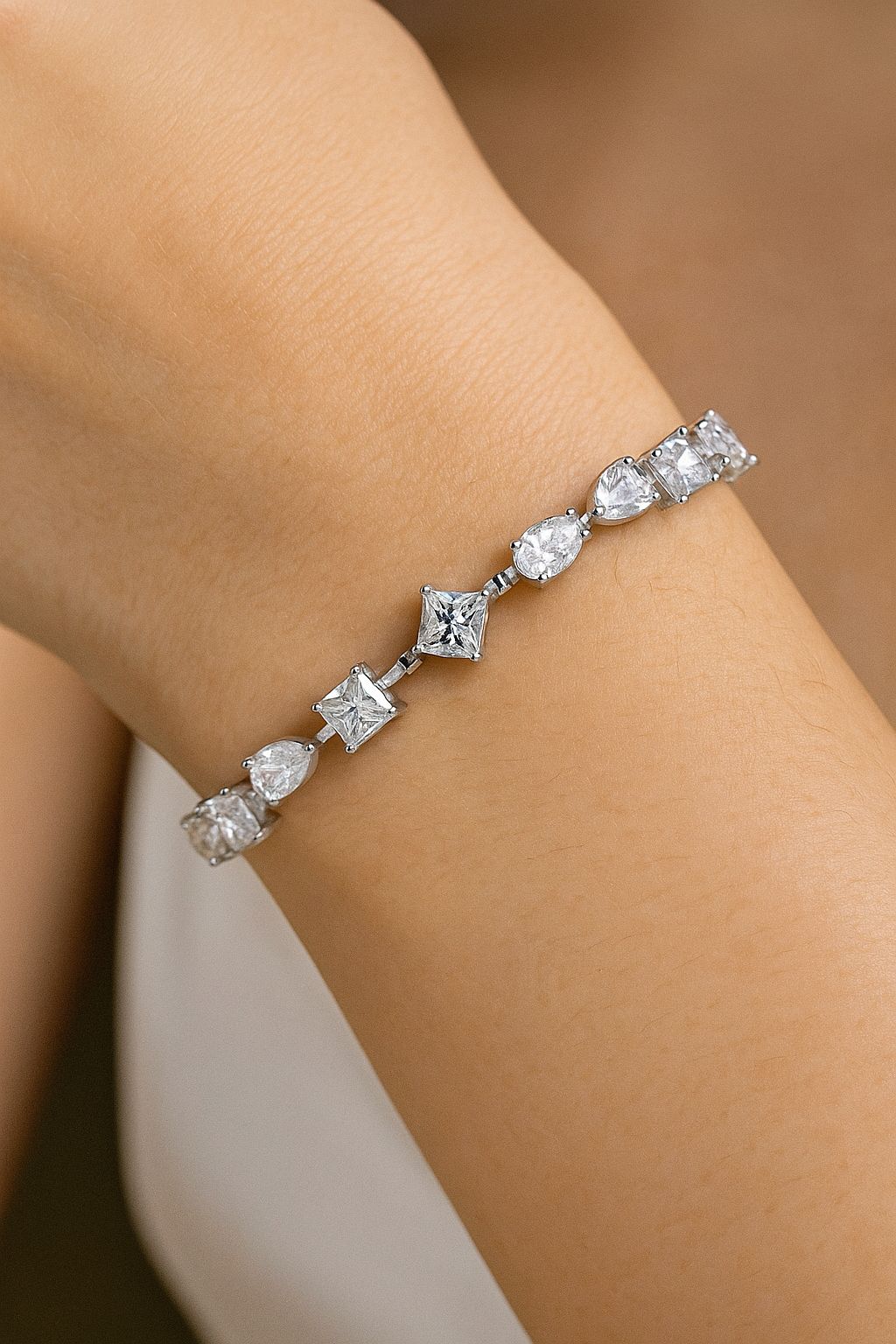
A personal jewel begins with an intention, but it becomes a successful commission through clear decisions. This guide explains how to shape a brief, compare proposals, approve materials and follow a creation without confusing an inspiration image with a manufacturing specification. It also offers a useful framework for evaluating finished jewellery. The stages described are an editorial planning method: the exact services, timing, payment terms and deliverables for a Nova project must be confirmed in its individual quotation.
Write the reason for the jewel
Begin with the person and the intention, not with a long list of features. Is the piece intended to mark a marriage, reinterpret a personal symbol, complement an existing collection or simply express a particular style? Write a short paragraph that explains what the creation should mean and how it should feel to wear.
Then add practical context: the type of jewel, the intended frequency of use, any existing pieces it should work with and the date that matters to you. A desired date is a requirement for discussion, not an automatic delivery promise. Keep the first brief concise enough to guide decisions. If every reference introduces a different direction, choose the two or three ideas that matter most. The purpose is a coherent starting point from which the atelier can ask useful questions and assess a feasible proposal.
Use references to communicate, not to copy blindly
Annotate each inspiration image with the detail you actually like. You may be drawn to its proportions, the balance between stone and metal, the arrangement of elements or the way it sits beside another jewel. Without those notes, a reference can be interpreted as a request to reproduce every visible detail, including features that were never important to you.
Ask for an original design direction appropriate to your project and respectful of third-party rights. Distinguish an inspiration image from a Nova product photograph, a sketch, a computer rendering and a photograph of the finished item. Each has a different role in the discussion. Keep those labels visible in your project folder. This simple discipline reduces the risk that a persuasive visual becomes an unintended promise about a material, dimension or construction detail that has not yet been agreed.
Define the stones before fixing every dimension
For any proposed stone, distinguish material identity, natural or laboratory-grown origin and disclosed treatments. Ask which documents will accompany the specific specimen. If a stone is still to be sourced, label that decision as open rather than treating a reference photograph as the selected material.
Build the design conversation around what is known. Record the candidate’s measurements when available and ask how a change of stone would affect the setting, overall height, appearance and quotation. For multiple stones, clarify whether the selection is a matched pair, a graduated sequence or an intentionally varied arrangement. Do not assume that a report for one stone covers the whole composition. The practical goal is to align the design and the stone selection before a late substitution creates a different object from the one you thought you had approved.
GIA — Disclosure of treated and laboratory-grown gem materials
Specify the metal and the surface separately
The material description should identify the proposed metal and fineness; the design should also name the surface finish. Gold colour alone is not a complete specification, and a finish shown in a rendering is not necessarily a statement about the underlying alloy. Ask for the exact wording that will appear in the quotation.
Where more than one metal or finish is involved, mark the relevant areas on the design. Discuss the practical relationship between those choices and the wearer’s expectations. If an alternative is proposed later, ask for both the revised description and the revised total before deciding. A custom project does not become more precise simply by adding adjectives such as “premium” or “exclusive”. It becomes more precise when the material, the surface and the construction are described clearly enough for everyone to discuss the same version.
Review the jewel at realistic scale
A large rendering can make a delicate detail look dominant and can make a substantial object seem easy to wear. Ask for dimensions and a scale reference. For a ring, discuss the chosen size, band profile, top height and relationship to neighbouring rings. For a pendant, discuss the bail, chain and intended length. For earrings, discuss the fastening and the way the design is intended to sit.
Do not approve comfort from a picture alone. Where a fitting or sample is part of the agreed service, use it to test the questions that matter to you. Where no physical trial is available, identify that limitation and ask what can be established through measurements. Keep a record of the measurement method and the person who supplied the size. A precise conversation about scale is more useful than the vague instruction to make something “not too large”.
Make approval a defined event
Before approving production, collect the current drawing, material specification, selected stones, dimensions and commercial terms into a single identifiable version. Note the decisions that are fixed and any points that remain conditional. Ask what approval authorises and which later changes would require a new assessment or quotation.
Keep design approval separate from payment confirmation. A payment receipt does not by itself describe every detail of the intended object, just as a design approval is not proof that a payment has cleared. Follow the actual payment arrangements in the accepted quotation. If there are several people involved in the commission, identify who can approve changes. A clear approval record protects the quality of the conversation: it reduces reliance on scattered messages and makes it easier to recognise when a new request genuinely changes the agreed scope.
Understand what each progress update confirms
Read an order update as a statement about a particular stage, not as a promise that every later stage is already complete. “In production” and “quality inspection” describe different activities. “Ready for dispatch” does not mean the parcel has already been handed to a carrier. A tracking reference should be interpreted with the carrier’s current status, not simply as proof of delivery.
Use the order reference consistently when contacting the team. Ask a specific question if an update is unclear: which stage is complete, what remains to be confirmed and whether you need to provide anything. Avoid requesting changes through a message that could be mistaken for a casual comment on progress. If you wish to alter the agreed project, state that explicitly and wait for feasibility, cost and timing implications to be confirmed before assuming the change will be made.
Use a private preview for the right questions
Where a private video preview is included in the agreed bespoke workflow, use it to review the finished creation in relation to the approved design. Look at the overall arrangement, the visible finish and the details the team has chosen to show. Ask for clarification if the video does not explain something important to you.
Do not treat a video as a new gemological report or as a substitute for the physical checks performed by the atelier. Colour and scale still need the context of the specification and presentation conditions. Keep the preview within the private order conversation, especially when it concerns a personal design. If you identify an issue or request a change, contact the team before dispatch and obtain a clear response. The preview should support a precise conversation, not create an assumption that every possible variation has been approved automatically.
Know which documents belong to the completed jewel
Prepare a delivery checklist based on the accepted quotation. It may include the invoice, agreed specification, relevant gem reports, care instructions and any specifically promised documentation. These items have different purposes. A precious-metal hallmark, where applicable, does not replace a gemstone report, and neither is a complete statement of the commercial terms.
Ask how the final piece is identified in the documents and how a later service request should reference it. If an item has changed during production with your approval, ensure the final description reflects that version. Keep obsolete drawings clearly marked so they are not mistaken for the completed design. The checklist is not a request for documents that were never included in the offer; it is a way to confirm that the promised information and the delivered object correspond to one another.
British Hallmarking Council — Practical hallmarking guidance
Begin ownership with observation and appropriate care
On arrival, check the piece against the agreed description and the handling instructions supplied. Keep the packaging and order reference available while you resolve any question. If something seems wrong, describe it promptly and clearly to the team rather than attempting an adjustment yourself. Follow the applicable store policy for the actual order; this guide does not create different return or warranty terms.
Care should account for the complete combination of materials and any disclosed treatments. A routine suitable for one gemstone may be inappropriate for another. Ask which cleaning method is recommended and which signs call for an inspection. Keep a personal record of servicing and any later agreed changes. The relationship with a bespoke jewel continues after delivery, and orderly information makes that continuing care easier to discuss with the atelier.
Prepare a concise, actionable request to Nova
A useful first message identifies the type of jewel, the wearer, a few visual references, preferred materials, any important dimensions and the total budget you wish to discuss. Add the desired occasion or date and explain which details are flexible. If the request concerns a variation of an existing Nova product, include its exact name or link rather than a cropped image alone.
Use shop@novafinejewellery.com to discuss your personal project with the Nova team. The team can then distinguish a catalogue option from a change requiring a bespoke quotation. The aim is not to arrive with every technical answer already decided. It is to provide enough clarity for an honest, productive consultation and to move from a personal intention toward a carefully specified creation.
FAQ
Does an inspiration image define the final order?
No. The final order should refer to the agreed design version, specification and commercial terms. Clarify details that appear only in a reference image.
Can every change be made after production starts?
Do not assume so. Ask the atelier to assess feasibility and any effect on cost, timing and specification before treating a change as accepted.
Is a preview video a certification?
No. It supports the visual order review. Material identification, reports, inspections and contractual specifications retain their separate roles.
- Brief
- A concise statement of the purpose, preferences and constraints for a proposed creation.
- Design revision
- An identifiable version of a drawing or specification, retained so that approvals refer to a clear document.
- Scope
- The materials, work and services expressly included in the agreed proposal.
- Private preview
- A restricted visual presentation of the commissioned piece, distinct from a gemological report or public product media.