Precious metals: understand your jewel
Gold, platinum, finishes and the specification beneath the surface.
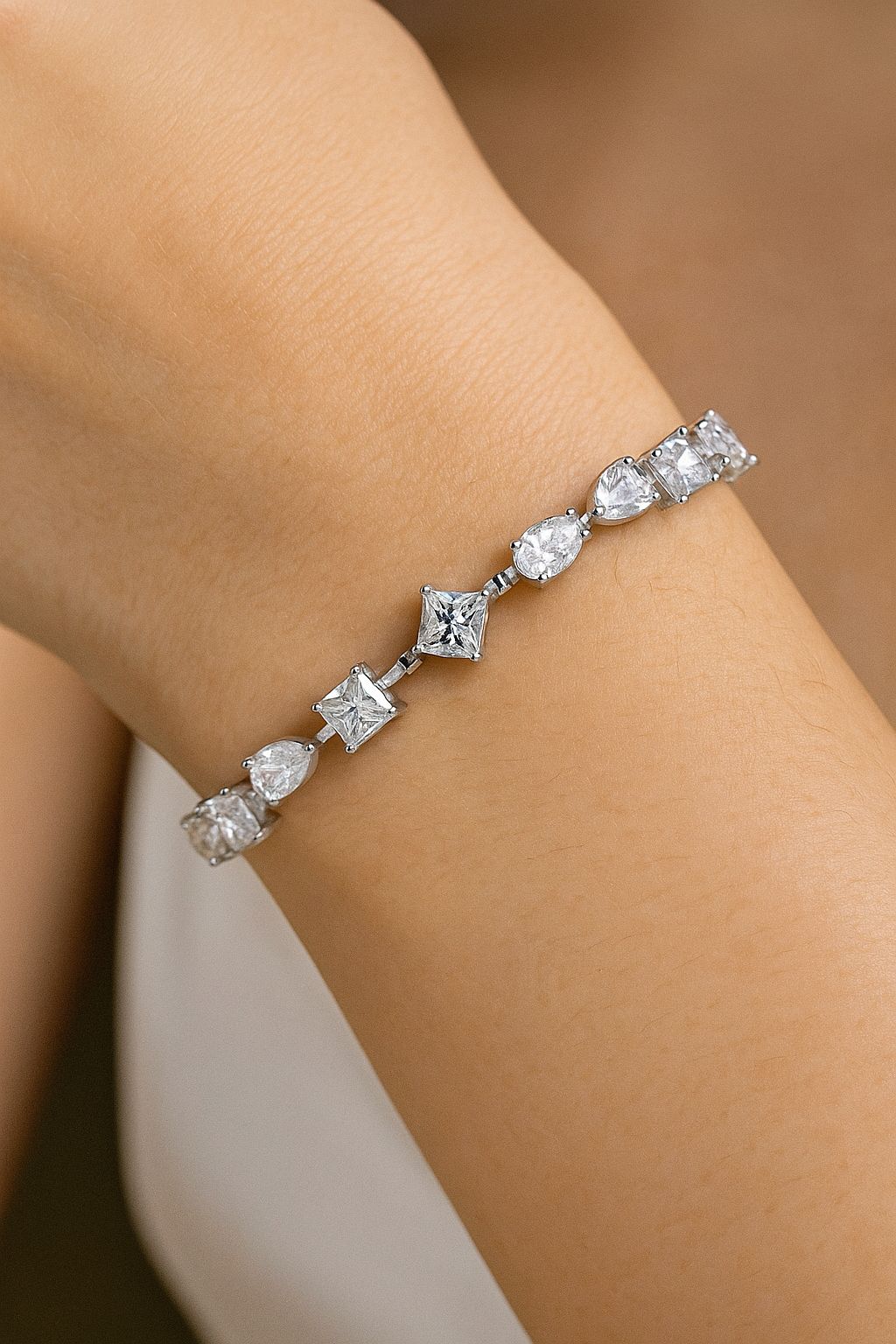
The metal of a jewel is both a visual choice and part of its construction. Colour alone does not tell you the alloy, fineness, surface treatment or dimensions of the piece. This guide helps you read those distinctions and prepare a clear conversation about an existing creation or a bespoke commission. It does not assume that every Nova product is made from the same material. The specification on the relevant product page or agreed quotation always determines what is being offered.
Define the role of the metal
Begin with the overall relationship you want between metal, stones and skin. The metal might form a quiet frame, a sculptural surface or the main visual feature. Collect a few references and describe why they appeal to you: a fine outline, a broad polished plane, a soft finish or a strong contrast. Separate those visual ideas from the technical material description you will eventually approve.
Consider the intended use at the same time. A ring, a chain and an earring place their metal in different positions around the wearer. Ask how the design addresses the specific object rather than requesting a universal “best metal”. The most useful comparison is between complete, feasible versions of your jewel. Keep the chosen colour, alloy, dimensions and finish together in that comparison so that a change in one element does not pass unnoticed.
Read gold fineness correctly
Gold fineness expresses the proportion of gold in the alloy. The familiar 18-karat designation corresponds to 750 parts of gold per thousand, or 75 percent. This is a material description, not a score for the artistic quality of a jewel. Do not confuse gold karat with the carat weight used for gemstones.
When comparing quotations, write the stated fineness alongside the complete material description. Check whether that description applies to the body of the piece, a particular component or a surface coating. Ask for clarification if “gold” appears without enough detail to identify what is supplied. Do not infer solid construction from colour alone. If the proposed metal changes during design, request an updated specification and price before approval. The useful result is a clear description of the actual creation, not simply a more impressive number.
Distinguish white gold from its surface finish
White gold is an alloy, and jewellery in white gold may have a rhodium surface finish. Ask whether the proposed piece is plated and what maintenance is recommended for that finish. A photograph showing a bright white surface does not, by itself, explain the underlying alloy or the finishing process.
Compare the alternatives with the same design brief. Ask for an example of the intended surface appearance and discuss how you would prefer the piece to be maintained. Record whether future refinishing is a separately charged service and whether it is appropriate for the actual construction. Do not assume that an advertised colour remains an identical visual standard under every condition or throughout unlimited wear. The aim is to understand the material and the surface as two connected descriptions, so that your expectations remain aligned with the piece you choose.
Read platinum as a specific material choice
Platinum is not another name for white gold. A 950 platinum designation indicates 95 percent platinum in the stated alloy. Compare a proposed platinum version with a white-gold version only after confirming the actual specification of both, rather than assuming that the same-looking drawing describes the same construction.
Ask the atelier about the intended finish, dimensions and expected feel of each feasible version. If you can handle relevant samples, use that experience to describe your preference; do not infer comfort from a photograph. Request a separate quotation where the material change alters the project. No general statement about prestige should replace the practical questions of fit, design, stone setting and maintenance. A metal becomes appropriate in relation to the complete jewel and the wearer’s preferences, not simply because its name sounds more exclusive.
Choose yellow and rose tones through the whole composition
When choosing a coloured metal, compare it with the actual stone palette and the proportions of the design. A broad polished surface and a fine border do not present the same amount of colour to the eye. Rather than deciding from a tiny swatch, ask for the closest relevant sample or a clearly labelled design preview.
State whether the new jewel is meant to harmonise with existing pieces or to contrast with them. If matching matters, provide those references and ask what can realistically be confirmed before manufacture. Do not promise yourself an exact match from two unrelated screen images. A useful consultation can compare coherent alternatives: the same pendant in two proposed alloys, or a different finish on the same general form. Keep the final colour description tied to the alloy and finish specified in writing.
Understand what a hallmark does and does not say
In the UK hallmarking framework, the core marks identify the sponsor, the precious-metal fineness and the assay office. A hallmark is not a laboratory report for the gemstones and does not grade the design or workmanship. Rules and exemptions depend on the relevant jurisdiction and article, so use the official guidance for the applicable situation rather than extending a simplified explanation worldwide.
Ask what marks will be present on the proposed jewel and what each means. Keep that answer separate from marketing terms such as “atelier”, “heritage” or “high jewellery”. Those descriptions do not replace the material specification. If marks are difficult to see in a product image, request clarification rather than drawing conclusions from the photograph. For a bespoke piece, include marking questions in the final review so that they are addressed before manufacture or dispatch.
British Hallmarking Council — Practical hallmarking guidance
Look at dimensions, edges and joining points
A material name is only one part of a useful specification. Ask about the relevant dimensions of the complete object: band width and profile for a ring, length and fastening for a bracelet, or chain compatibility for a pendant. Distinguish an indicative drawing dimension from a final measurement agreed for production.
Request views that explain the construction, including areas that are not normally visible in the principal product photograph. The purpose is not to judge technical workmanship from a screen; it is to identify questions for the maker. How is the piece opened? Which component contacts an adjoining jewel? Is a particular feature decorative or functional? Record the answers that matter to everyday use. A beautiful surface can be appreciated more fully when the way the object is intended to be worn and handled is also clear.
Treat the finish as a deliberate design decision
Ask the atelier to name the intended finish rather than leaving it as an impression in a photograph. Polished, satin-like, textured or contrasting areas should be described in a way that connects to the approved design. When a project uses more than one finish, identify where each begins and ends.
Discuss maintenance expectations before ordering. Ask whether future polishing or surface renewal is appropriate for the specific piece and which details require care during that work. Do not assume that every finish can be restored indefinitely without consequences for the design. Preserve a reference image of the approved appearance, but understand that normal use and lighting can affect what you observe. A well-defined finish is not a promise of permanent visual newness; it is an agreed starting point for the life of the jewel.
Let the most delicate component set the care plan
A metal-focused cleaning routine can overlook the stones or other materials attached to it. Before applying a product, confirm that the method is appropriate for the whole jewel. A mixed creation may need a more cautious approach than its metal name suggests. Do not infer suitability from an instruction written for another object.
Keep a simple care record with the order documents. It can identify the approved cleaning method, any restrictions associated with the stones, the fastening checks to perform and the contact for servicing. Remove the piece for activities that conflict with the specific instructions you receive. When something changes unexpectedly, describe the event and send a clear image to the team rather than attempting a home repair. The useful habit is attentive observation, not constant intervention with tools or chemicals.
Approve a complete material specification
Before the final order, assemble the material decisions on one page. Include the metal and fineness, colour, surface finish, relevant dimensions, stones, selected size and the marking information supplied. Ask whether any component differs from the main body and how that difference is described. Do not let a general collection description override a more precise item specification.
Use this page when discussing a Nova creation or requesting a custom variation. It allows the team to confirm feasibility and quote the actual version rather than an ambiguous idea. Keep invoice, final specification and care instructions together after delivery. If you later request a repair or redesign, refer to that record instead of relying on memory. Understanding a precious metal is ultimately most useful when it helps you understand the complete object you have chosen to wear.
FAQ
Does a higher gold fineness prove better craftsmanship?
No. Fineness describes metal content. Assess the actual design, construction, finish and agreed specification separately.
Are white gold and platinum the same material?
No. Request the actual alloy and fineness of each proposed option, including any surface treatment, before comparing them.
Can I choose a material from its colour alone?
Colour is a preference, not a complete material specification. Confirm the alloy, fineness, construction, finish and appropriate care for the actual piece.
- Fineness
- The stated proportion of precious metal in an alloy, commonly expressed in parts per thousand.
- Alloy
- A metallic material combining elements; its complete composition is distinct from its visible colour.
- Surface finish
- The specified appearance or treatment of the outer surface, separate from the underlying material.
- Assay
- Examination of precious-metal content; it should not be confused with gemstone grading or a retail valuation.